
Where we are · October 2026
Built and tested. U.S. pilot planned for spring 2027.
The container is built and has passed independent lab testing. Next we prove the technology works in real U.S. farm conditions. A California strawberry grower signed a non-binding letter of interest in June 2026 to explore a pilot. We plan to run three units in spring 2027, measured by an independent lab against a control batch.
In the field
From field to shelf, in person.
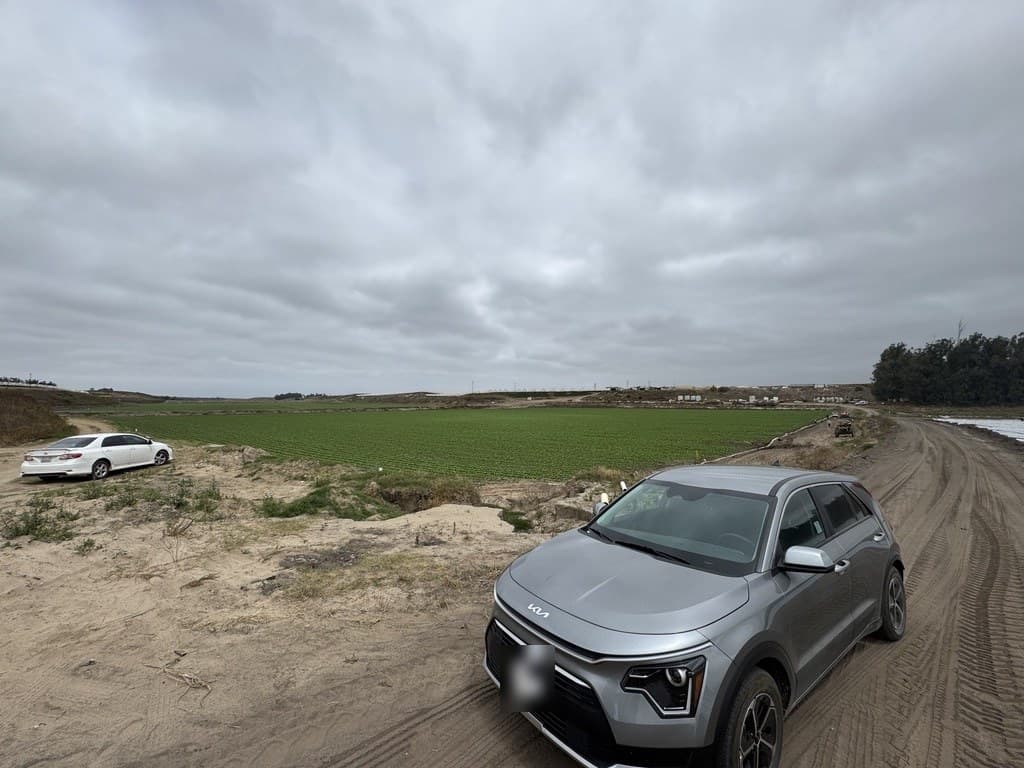
Visiting growers on the Central Coast
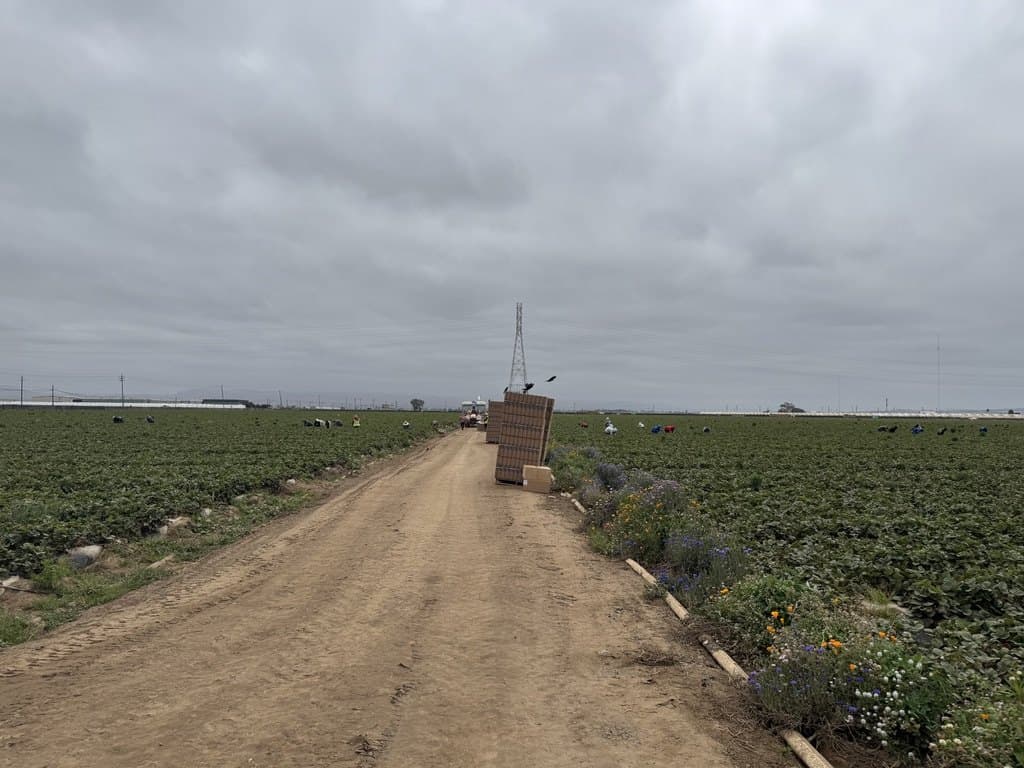
Harvest day: picking and packing in the field
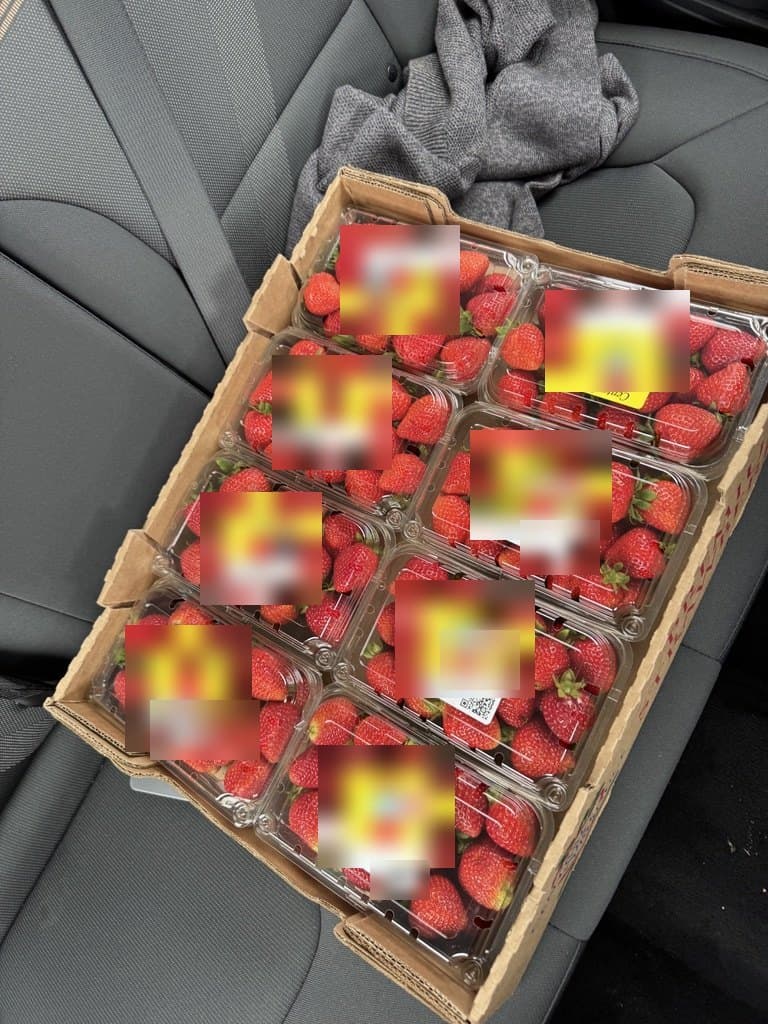
One tray: eight 1-lb clamshells
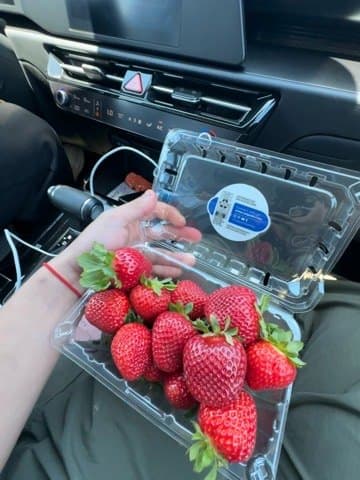
Picked that morning
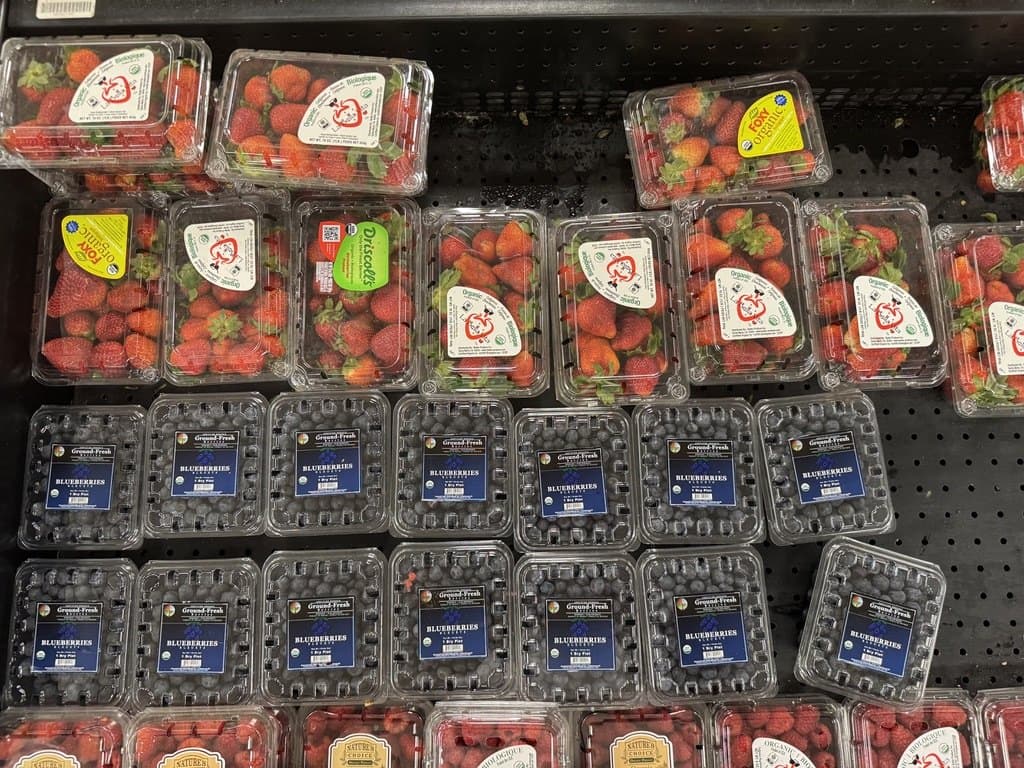
Where the fruit ends up
On the store shelf, a few days after picking.
That short window is the problem we're solving: more time between harvest and sale.
Photos from our California grower visits, summer 2026. Labels and plates blurred.
The pilot
What the pilot will prove about the technology.
It works on a farm
The container holds its temperature and low oxygen in real field conditions, not just in a lab.
Produce lasts longer
How many extra days produce stays sellable, compared with ordinary cold storage.
Less is wasted
How much less of the harvest is lost.
What it costs to run
Power use and day-to-day operation, so we can price it right.
Test crop: strawberries. They spoil faster than almost any other fruit, which makes them the hardest test for the technology. An independent lab will measure the results. 6 neighboring farmshave said they're waiting on them.
Status
Where everything stands.
Company & market
- Company IncorporationDone
- Visited 100+ California farmsDone
- Letter of interest signed with a pilot farmDone
- Binding pilot agreementIn progress
- Procurement contract with the City of Los AngelesIn progress
- Advisory board: UCLA and Cornell professorsIn progress
Technology
- Container builtDone
- Independent lab test of the containerDone
- U.S. pilot: 3 units, spring 2027Planned for 2027
- Independent results from the pilotPlanned
U.S. certification
Two sides of certification.
Kynetic
Approvals we apply for as the U.S. company selling and operating the containers.
- Planned
UL / ETL product listing
Electrical safety approval for the U.S. and Canada
- Planned
FCC
U.S. rules for the electronics and controls
- Planned
Refrigerant compliance
U.S. environmental rules for the cooling system
Manufacturing facility
Clearances the factory in China needs before its containers can operate in the U.S.
- Planned
Factory inspection for UL / ETL
The listing requires the factory to pass inspections
- Planned
Pressure-equipment certification
For the refrigeration components (ASME)
- Planned
Insulation fire testing
U.S. fire-safety test for the panels (ASTM E84)
The container has already passed independent performance testing in China (March 2026).
After the pilot
What a good result unlocks.
2027
6 neighboring farms
Waiting on the pilot result.
2027–28
Next crops
Cherries, blueberries, apples, and pears, each validated separately.
2028
The 2028 Games in Los Angeles
A successful pilot positions us for food-service and cold-storage partnerships for the 2028 Olympic and Paralympic Games, which will serve more than 17 million meals.
2028+
Across California
More perishable crops, and the modular warehouse for volume sites.
Plans, not contracts. Each step depends on the pilot result.
Questions about the pilot?
We're happy to walk you through the plan, the timeline, and what we'll measure.